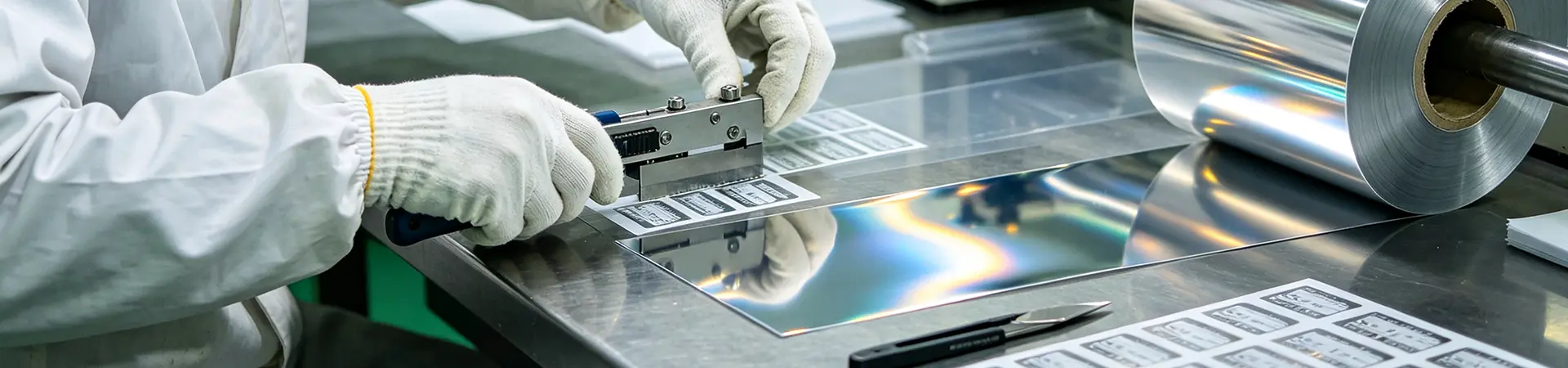
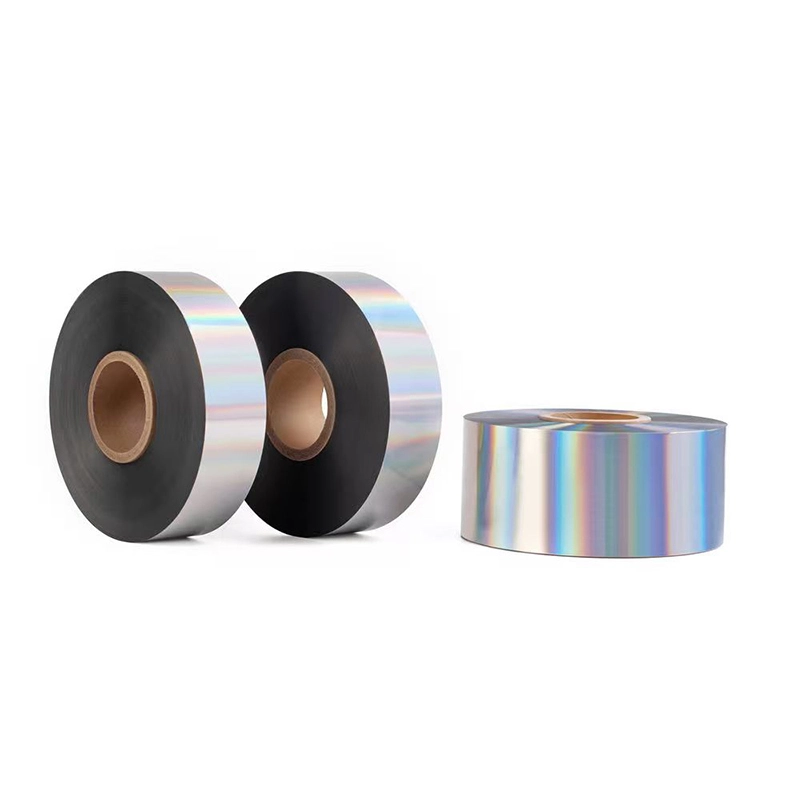
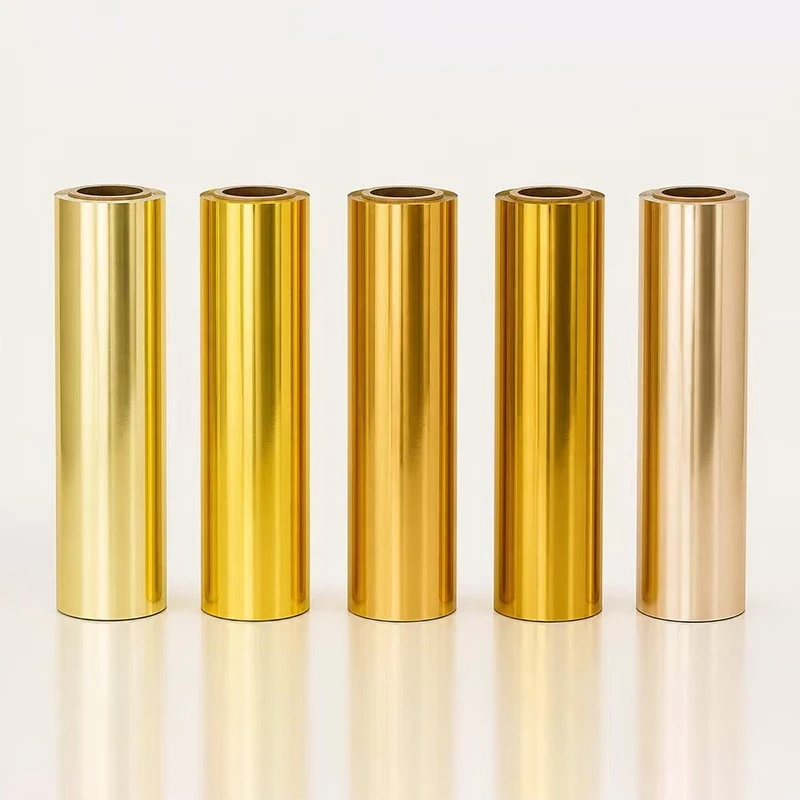
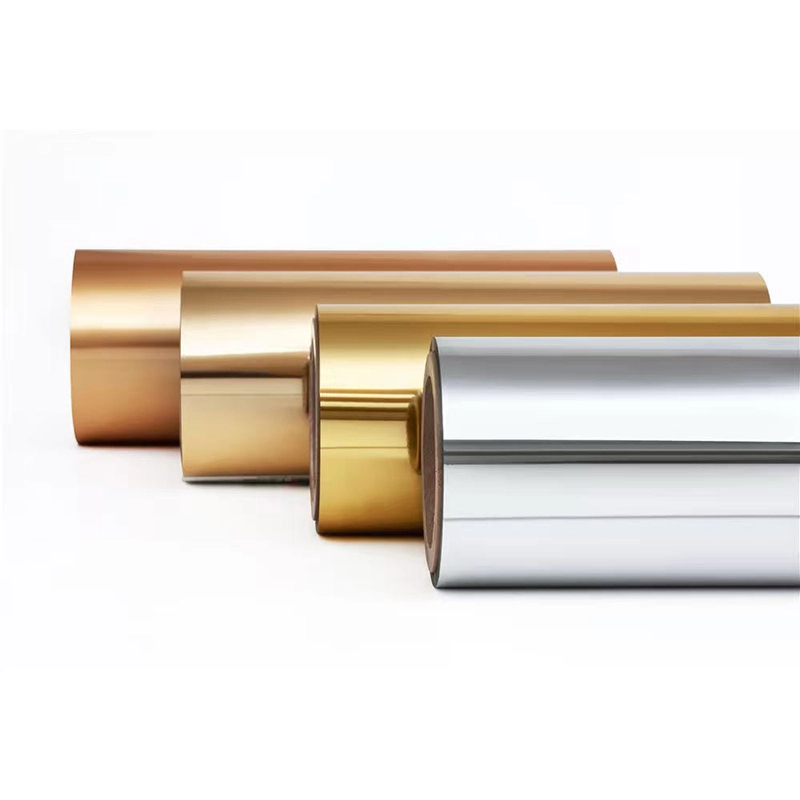
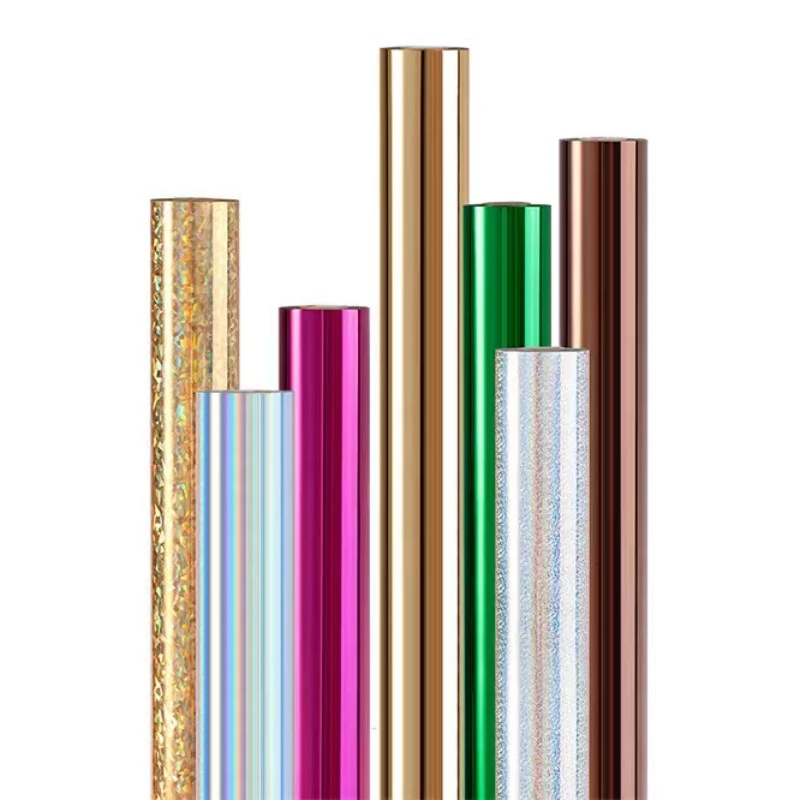
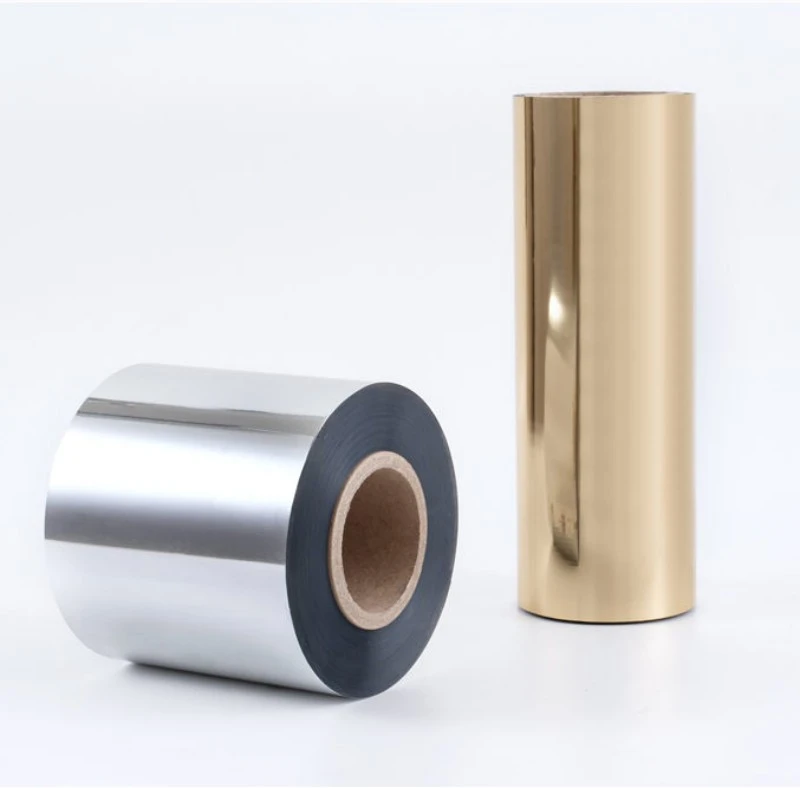
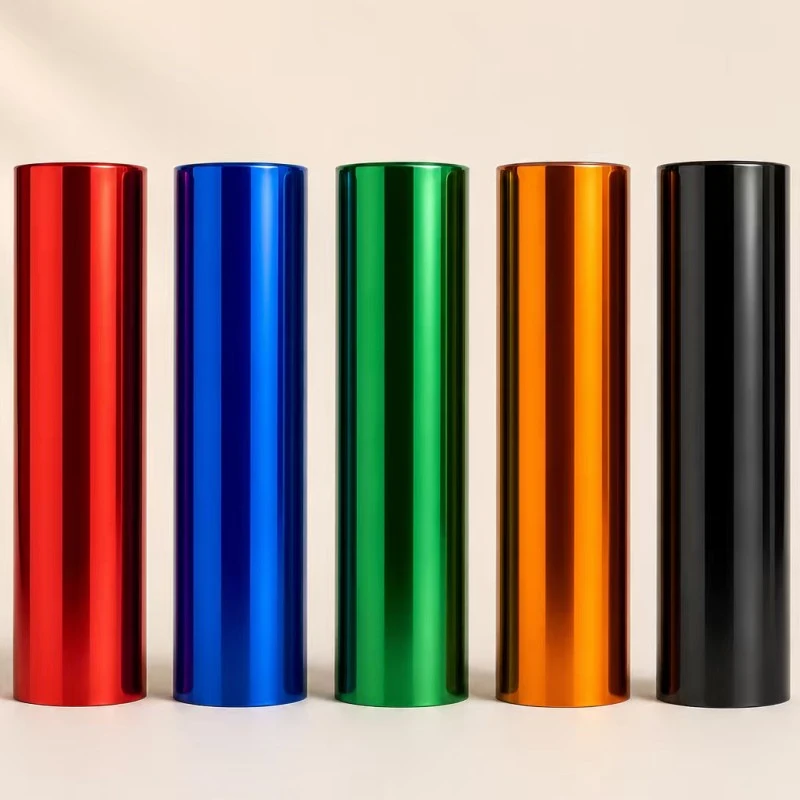
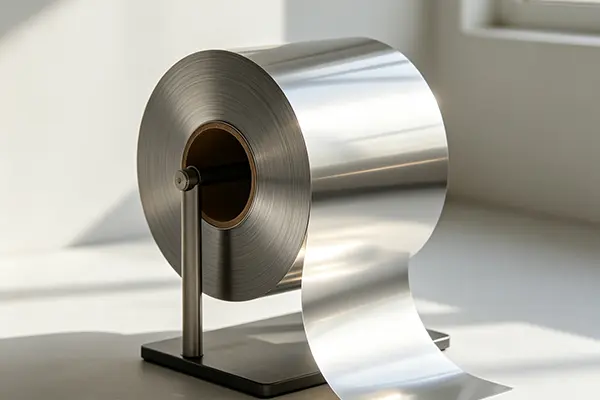
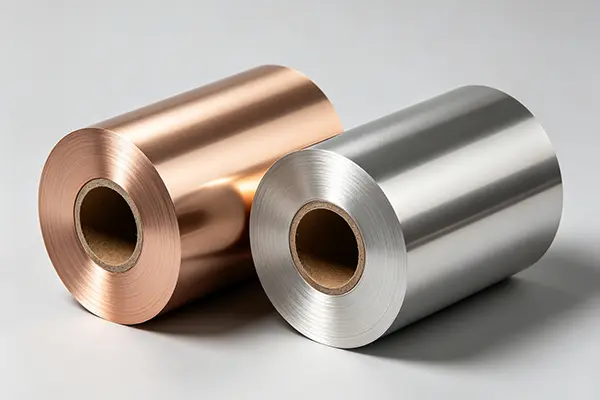
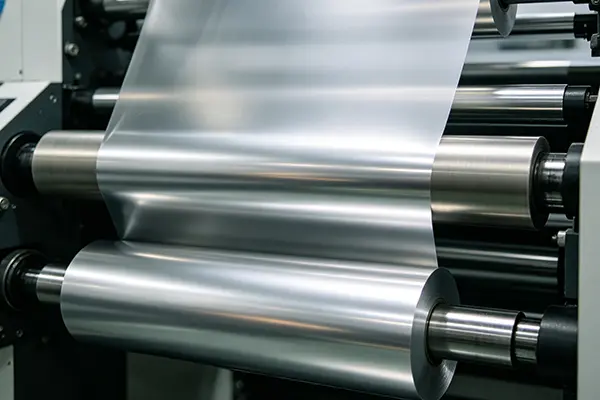
Hot stamping foil and cold foil both transfer metallic layers to printed products, yet they differ greatly in working principle, production logic and application scenarios. Understanding their features helps print buyers and designers make proper material selection.
Hot stamping foil uses heat and engraved dies. It produces crisp details and tactile embossed finishes, compatible with rough, uncoated and special substrates. But custom dies raise upfront costs and slow down production. It fits luxury packaging, high-value gift boxes and limited-edition prints with small batch sizes.
Cold foil depends on UV adhesive and inline press application. It removes die costs and accelerates production. CMYK inks can be overprinted directly on cold foil to create varied metallic tones. However, it is less suitable for porous textured stocks and cannot deliver obvious tactile embossing. It excels in high-volume packaging and label jobs.
For projects prioritizing luxury texture, special substrates and small quantities, hot stamping foil is the better option. For mass production, tight color registration and budget control, cold foil brings greater efficiency. Many packaging designs combine both techniques, using hot foil for premium logo accents and cold foil for large metallic background areas, balancing visual quality and manufacturing cost.
We use cookies to offer you a better browsing experience, analyze site traffic and personalize content. By using this site, you agree to our use of cookies. Privacy Policy